
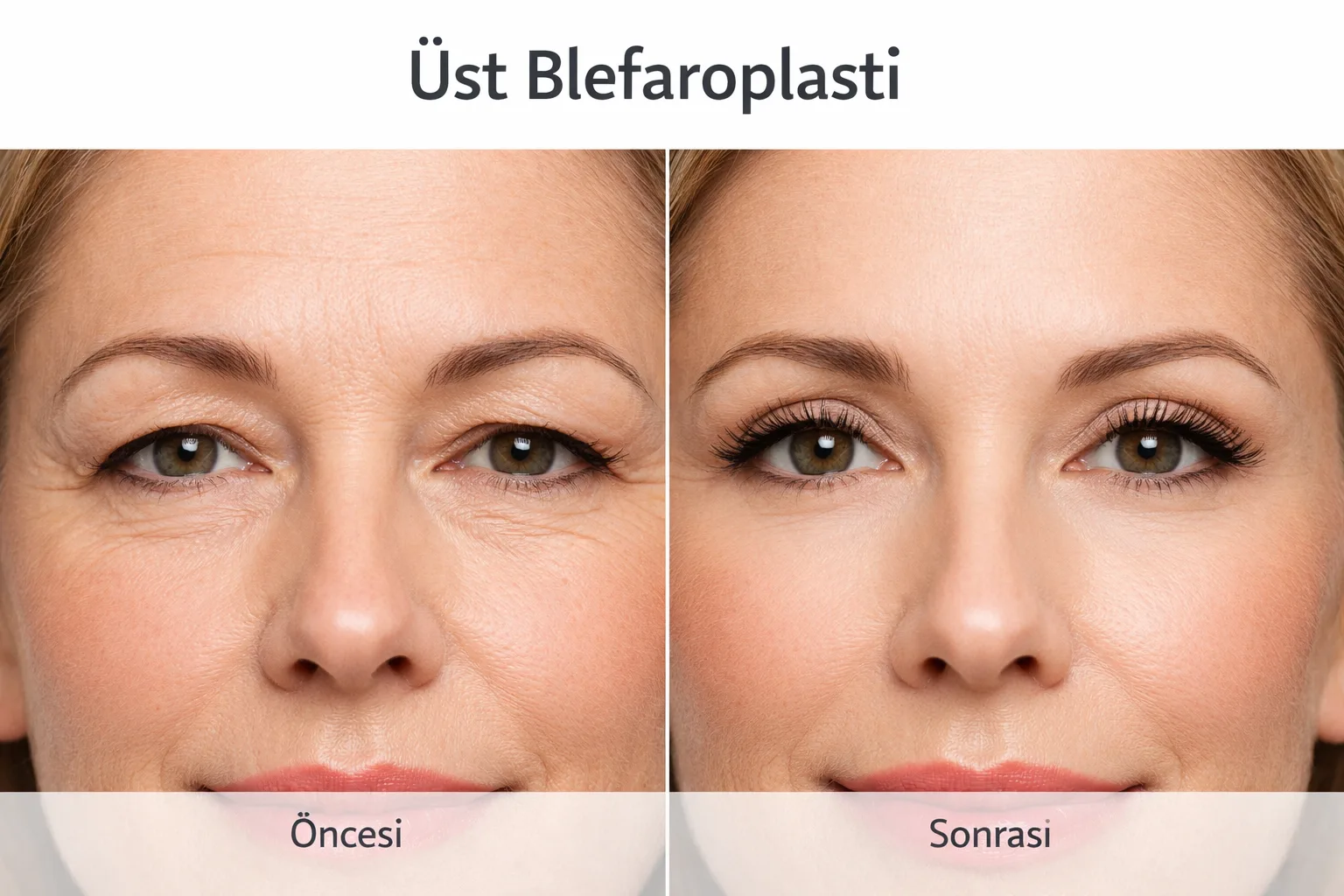
The eyes are often referred to as the windows to the soul, but they are also the first area of the face to show signs of aging. As we grow older, the skin around our eyes loses its elasticity, leading to drooping lids that can make us look tired, sad, or older than we feel. This is where upper blepharoplasty, commonly known as upper eyelid surgery, comes into play. In this detailed guide, we will explore everything you need to know about this transformative procedure.
What is Upper Blepharoplasty?
Upper blepharoplasty is a specialized surgical procedure designed to improve the appearance and, in some cases, the function of the upper eyelids. The primary goal is to remove excess skin, muscle, and sometimes fat that has accumulated over time. When the upper eyelid skin stretches, it can create a “hooded” appearance, which can even interfere with a person’s peripheral vision.
By undergoing upper eyelid surgery, patients can achieve a more youthful, refreshed, and alert appearance. It is one of the most popular cosmetic surgeries worldwide due to its high satisfaction rate and relatively short recovery period.
Why People Choose Upper Eyelid Surgery
There are both aesthetic and functional reasons for choosing upper blepharoplasty. Let’s break them down:
1. Aesthetic Improvements
The most common motivation is to reverse the signs of aging. Excess skin on the upper lid can hide the natural crease of the eye, making it difficult to apply makeup and creating a heavy, “puffy” look. Upper eyelid aesthetics aim to restore the natural contour of the eye.
2. Functional Benefits
For many individuals, the drooping is so severe that it hangs over the eyelashes and obstructs the field of vision. This condition is often called “hooding.” In these cases, blepharoplasty is not just about looks; it’s about improving the quality of life and visual clarity.
3. Boosting Confidence
Looking tired when you are actually well-rested can be frustrating. Patients often report a significant boost in self-confidence after their eyelid rejuvenation procedure, as they finally look as energetic as they feel.
The Ideal Candidate for Upper Blepharoplasty
Not everyone with slightly droopy eyelids requires surgery. However, you might be an ideal candidate for upper blepharoplasty if you experience the following:
- Excessive skin that obscures the natural fold of the upper eyelids.
- Loose skin that hangs down from the upper eyelid, sometimes impairing vision.
- A puffy appearance in the upper lids due to displaced fat deposits.
- Good overall health and realistic expectations about the surgical outcome.
- Non-smokers or those willing to quit during the healing process.
During a consultation, your surgeon will evaluate your facial anatomy and discuss whether upper eyelid surgery is the right choice for your specific needs.
The Upper Blepharoplasty Procedure: Step-by-Step
Understanding the technical aspects of upper eyelid surgery can help alleviate any anxiety regarding the procedure. Here is what you can expect:
Step 1: Anesthesia
To ensure patient comfort, the surgery is typically performed under local anesthesia with sedation or general anesthesia, depending on the complexity and the patient’s preference.
Step 2: The Incision
The surgeon makes a precise incision within the natural crease of the upper eyelid. This is a crucial part of upper blepharoplasty because it ensures that any resulting scars are hidden within the natural folds of the eye, making them virtually invisible once healed.
Step 3: Tissue Resection and Repositioning
Through this incision, the surgeon removes the pre-determined amount of excess skin. If necessary, underlying muscle tissue is tightened, and fat deposits are either removed or repositioned to create a smoother, more youthful contour.
Step 4: Closing the Incision
The incisions are closed with very fine sutures. These are typically removed within 5 to 7 days following the upper eyelid aesthetics procedure.
Recovery After Upper Eyelid Surgery
The recovery phase is a vital part of the upper blepharoplasty journey. While the procedure itself is relatively quick (usually taking 45 to 90 minutes), the healing process requires patience and care.
Immediate Post-Op (Days 1-3)
You may experience some swelling, bruising, and mild discomfort. Applying cold compresses is essential during the first 48 hours to minimize inflammation. Your doctor will likely prescribe eye drops or ointments to keep the area hydrated and prevent infection.
One Week Later
Most patients find that the majority of swelling subsides within the first week. This is usually when sutures are removed. Many people feel comfortable returning to work and light social activities at this stage, though some bruising may still be visible, which can often be covered with sunglasses.
Long-Term Healing
While the initial results of upper blepharoplasty are visible early on, it can take a few months for the final “settled” look to appear. The scars will continue to fade over time, eventually becoming thin, faint lines that blend perfectly with your skin.
Risks and Considerations
Like any surgical intervention, upper eyelid surgery carries some risks. These are rare when the procedure is performed by a qualified and experienced surgeon, but they may include:
- Temporary blurred vision or light sensitivity.
- Dryness in the eyes.
- Difficulty closing the eyes completely (usually temporary).
- Minor scarring or infection.
Choosing a board-certified surgeon who specializes in upper blepharoplasty is the best way to minimize these risks and ensure a successful outcome.
Combining Upper Blepharoplasty with Other Procedures
Many patients choose to combine their upper eyelid surgery with other facial rejuvenation treatments for a more harmonious result. Common pairings include:
- Lower Blepharoplasty: To address “bags” and dark circles under the eyes.
- Brow Lift: Often, what looks like excess eyelid skin is actually a drooping eyebrow. A brow lift can complement upper blepharoplasty by lifting the entire upper face.
- Fat Grafting or Fillers: To restore lost volume in the hollow areas around the eyes.
- Laser Skin Resurfacing: To improve the texture and fine lines around the orbital area.
Frequently Asked Questions About Upper Blepharoplasty
How long do the results last?
The results of upper eyelid surgery are long-lasting. While the surgery cannot stop the natural aging process, most patients enjoy their refreshed look for 10 to 15 years, and some never need a repeat procedure.
Is the surgery painful?
Since the area is numbed, you won’t feel pain during the surgery. Afterward, most patients describe the sensation as “tightness” or “soreness” rather than sharp pain, which is easily managed with over-the-counter or prescribed medication.
Will there be visible scars?
One of the hallmarks of a well-performed upper blepharoplasty is the lack of visible scarring. Because the incisions are placed in the natural folds of the eyelid, they are extremely well-hidden.
When can I wear makeup again?
Usually, patients are advised to wait at least 10 to 14 days before applying eye makeup to ensure the incisions are fully closed and to avoid irritation.
Conclusion: A Brighter Future for Your Eyes
Upper blepharoplasty is more than just a cosmetic fix; it is a way to reclaim a vibrant, youthful expression and, for many, a way to see the world more clearly. By removing the physical and emotional “weight” of sagging lids, this procedure offers a refreshed perspective on life.
If you are tired of looking tired, upper eyelid surgery might be the solution you’ve been searching for. Consult with a professional today to discuss how upper blepharoplasty can help you achieve your aesthetic goals.