
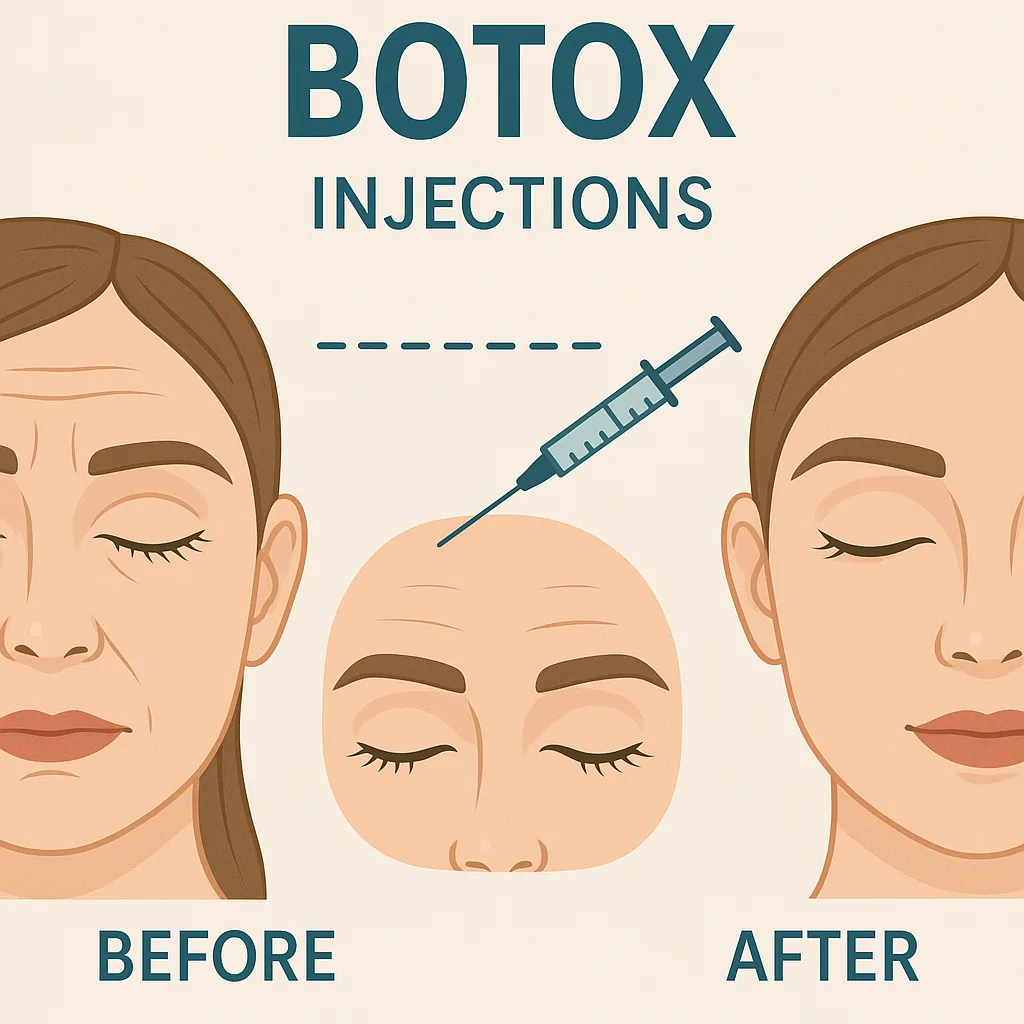
Understanding Botulinum Toxin (Botox)
In recent years, botulinum toxin treatments—commonly known as Botox—have become one of the most sought-after non-surgical cosmetic procedures worldwide. While Botox is widely recognized for its ability to reduce facial wrinkles, its therapeutic potential and safety profile make it a versatile solution in both aesthetic and medical fields.
What is Botulinum Toxin? Understanding Botulinum Toxin
Botulinum toxin is a purified neurotoxic protein derived from the bacterium Clostridium botulinum. When injected in small, controlled doses, it temporarily blocks the release of acetylcholine, a neurotransmitter that triggers muscle contractions. As a result, the targeted muscles relax, softening the appearance of wrinkles and preventing the formation of new lines.
There are several types of botulinum toxin approved for medical use, including onabotulinumtoxinA (Botox®), abobotulinumtoxinA (Dysport®), and incobotulinumtoxinA (Xeomin®). Each product has specific characteristics, but all serve similar purposes in aesthetic medicine.
Aesthetic
Benefits of Botox
The most common use of Botox in cosmetic practice is to address dynamic facial wrinkles—those caused by repetitive facial movements. These include:
- Forehead lines
- Frown lines (also known as glabellar lines or “11s”)
- Crow’s feet around the eyes
- Bunny lines on the nose
- Lip lines (smoker’s lines)
- Neck bands (platysmal bands)
Botox can also be used to achieve subtle facial reshaping, such as:
- Brow lift
- Jawline slimming (masseter reduction)
- Gummy smile correction
- Chin dimpling reduction
When administered by a skilled practitioner, Botox results in a natural-looking, refreshed appearance without the “frozen” look often feared by first-time patients.
How the Procedure Works
Botox injections are quick, minimally invasive, and require no downtime. The treatment typically takes 10–20 minutes, depending on the number of areas addressed. A fine needle is used to inject the toxin into targeted muscles. Patients may feel a slight pinch, but discomfort is minimal and short-lived.
Results begin to appear within 3–5 days, with full effects visible by 10–14 days. The effects generally last between 3 to 6 months, after which follow-up treatments are necessary to maintain the results.
Who is a Good Candidate?
Botulinum toxin treatments are suitable for adults looking to reduce the appearance of wrinkles or improve facial balance. Ideal candidates are in good overall health, have realistic expectations, and are not pregnant or breastfeeding. Those with neuromuscular disorders, allergies to botulinum toxin, or active skin infections in the treatment area should avoid the procedure.
A comprehensive consultation is essential to assess the patient’s facial anatomy, skin condition, and aesthetic goals. An individualized treatment plan ensures safe, satisfying outcomes.
Safety and Side Effects
Botox is considered very safe when administered by experienced professionals. Side effects are typically mild and temporary, including:
- Redness or swelling at the injection site
- Mild bruising
- Headache
- Temporary eyelid drooping (rare)
- Flu-like symptoms (rare)
To minimize risks, patients should avoid strenuous exercise, alcohol, and lying flat for at least four hours after the procedure.
Medical Applications of Botulinum Toxin
Beyond cosmetic use, botulinum toxin is an effective treatment for various medical conditions, such as:
- Chronic migraines
- Hyperhidrosis (excessive sweating)
- Overactive bladder
- Cervical dystonia
- Bruxism (teeth grinding)
- Strabismus and blepharospasm
These therapeutic uses demonstrate the remarkable versatility of botulinum toxin in modern medicine.
Common Myths and Misconceptions
Despite its popularity, Botox is often surrounded by myths. Let’s address a few:
Myth 1: only for older people.
Fact: Many individuals in their 20s and 30s opt for “preventive Botox” to delay the onset of wrinkles.
Myth 2: will make you look expressionless.
Fact: When done correctly, Botox preserves facial expressions while softening harsh lines.
Myth 3: toxic and unsafe.
Fact: In the small doses used medically, botulinum toxin is highly purified and extremely safe.
Choosing the Right Provider
The key to a successful Botox experience lies in the provider’s expertise. Choose a board-certified physician or licensed medical professional with experience in facial anatomy and injection techniques. A thorough understanding of muscle dynamics ensures precise application and optimal results.
Avoid bargain clinics or unqualified injectors, as poorly administered Botox can lead to asymmetry, complications, or unsatisfactory outcomes.
Conclusion Understanding Botulinum Toxin (Botox)
Treatments are a safe and effective way to enhance one’s appearance with minimal downtime. Whether you’re aiming to smooth wrinkles, achieve facial balance, or address a medical issue, offers a customizable solution that continues to gain global popularity.
If you’re considering botulinum toxin injections, schedule a professional consultation to determine whether the treatment aligns with your needs and goals. With expert care, you can enjoy natural, rejuvenated results that enhance both confidence and comfort.