
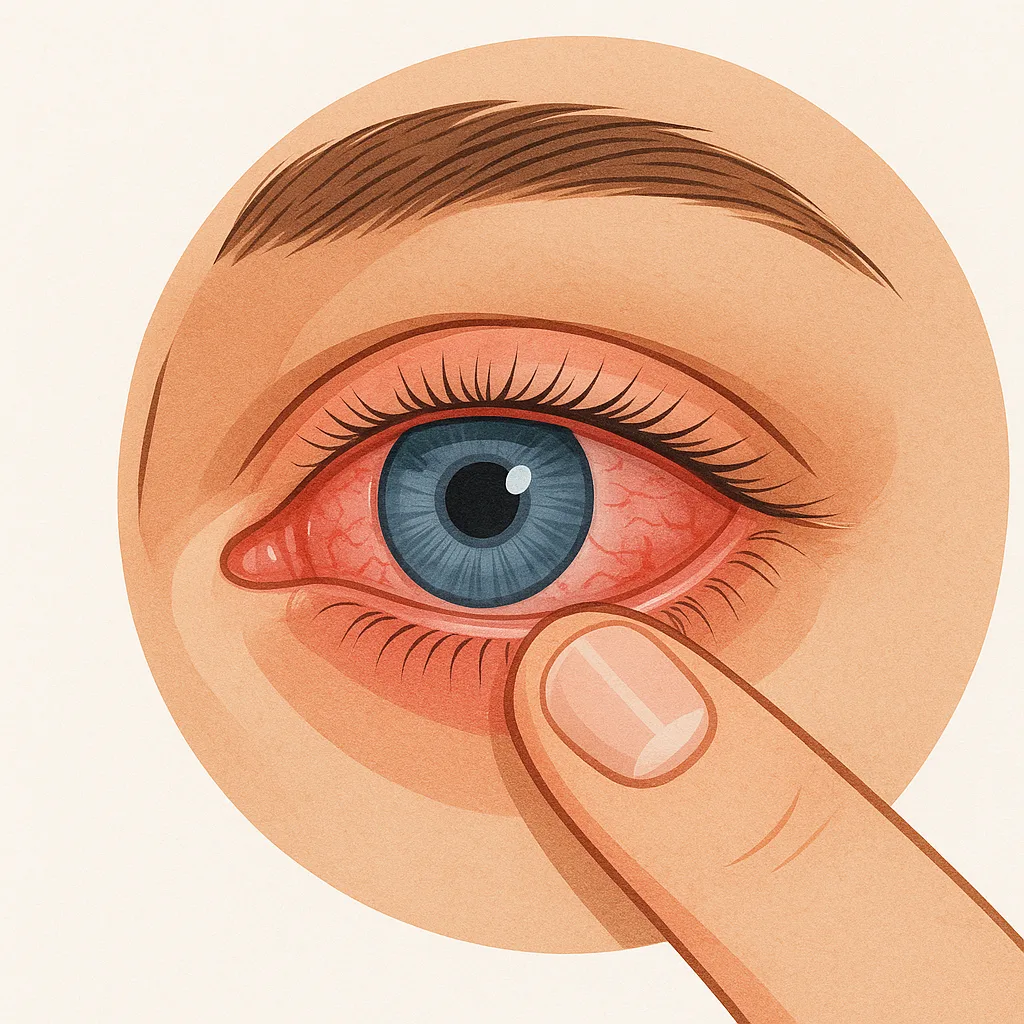
Eye allergies—also known as allergic conjunctivitis—are a common yet often underestimated condition that can significantly affect comfort, vision, and quality of life. These allergies occur when the eyes react to substances that irritate them, known as allergens. While they are rarely dangerous, they can cause persistent discomfort, redness, and watering, often interfering with daily routines. Understanding what causes eye allergies and how to manage them effectively is essential for maintaining healthy eyes.
What Are Eye Allergies?
An eye allergy is the immune system’s overreaction to harmless substances such as pollen, dust, pet dander, or mold. When these allergens come into contact with the eye’s surface, the body releases histamines and other chemicals to fight the perceived threat. This immune response leads to redness, itching, tearing, and swelling of the conjunctiva—the thin membrane that covers the white part of the eye and the inside of the eyelids.
Eye allergies can occur on their own or accompany other allergic conditions, such as hay fever, eczema, or asthma. They may appear seasonally or persist throughout the year, depending on the triggers.
Common Causes of Eye Allergies
The most frequent causes of eye allergies include:
1. Pollen
Tree, grass, and weed pollen are major culprits during spring and summer. Seasonal eye allergies—also called hay fever—are especially common in individuals sensitive to airborne pollen.
2. Dust Mites
Dust mites are microscopic organisms that thrive in bedding, carpets, and upholstered furniture. Exposure to them can lead to year-round allergic symptoms.
3. Pet Dander
Proteins found in the saliva, urine, and dander of cats and dogs can trigger allergic reactions, even in small amounts.
4. Mold Spores
Indoor and outdoor molds release tiny spores into the air that can irritate sensitive eyes, particularly in humid environments.
5. Contact Lens Solutions and Cosmetics
Certain chemicals in contact lens cleaning solutions, makeup products, or perfumes can cause contact allergic conjunctivitis, a reaction that occurs after prolonged exposure to an irritant.
Symptoms of Eye Allergies
Eye allergy symptoms can vary from mild to severe, depending on the type and amount of allergen exposure. The most common symptoms include:
- Itching and burning sensations
- Red or pink eyes
- Watery or teary eyes
- Swollen eyelids
- Light sensitivity (photophobia)
- A gritty feeling, as if sand is in the eye
Unlike viral or bacterial conjunctivitis, eye allergies are not contagious and typically affect both eyes simultaneously.
Types of Eye Allergies
Eye allergies are categorized based on their causes and duration:
1. Seasonal Allergic Conjunctivitis (SAC)
This is the most common form and usually occurs during spring or summer when pollen counts are high. Symptoms flare up outdoors and subside when exposure decreases.
2. Perennial Allergic Conjunctivitis (PAC)
PAC occurs year-round and is usually caused by indoor allergens such as dust mites, mold, or pet dander. Symptoms are typically milder but more persistent.
3. Vernal and Atopic Keratoconjunctivitis
These are more severe, chronic forms often seen in young males (vernal) or individuals with eczema or asthma (atopic). They may lead to corneal damage if untreated.
4. Contact and Giant Papillary Conjunctivitis
Triggered by prolonged contact lens wear or reaction to lens solutions, these types are characterized by itching, mucus discharge, and a feeling of lens intolerance.
Diagnosis of Eye Allergies
An ophthalmologist can diagnose eye allergies through a detailed medical history and examination. The process may include:
- Checking for redness, swelling, or discharge using a slit-lamp microscope
- Assessing tear film stability and eye surface health
- In some cases, performing allergy skin tests or referring to an allergist for further evaluation
Proper diagnosis is essential because symptoms of eye allergies often overlap with other conditions, such as dry eye disease or eye infections, which require different treatments.
Treatment and Management
The best way to treat eye allergies is to avoid or reduce exposure to the allergens that trigger them. However, complete avoidance is not always possible—so a combination of preventive strategies and medical treatments often works best.
1. Avoiding Triggers
- Keep windows closed during high pollen seasons.
- Use air purifiers with HEPA filters.
- Wash bedding frequently in hot water.
- Avoid touching or rubbing the eyes.
- Limit contact with pets if allergic to dander.
2. Artificial Tears and Cold Compresses
Lubricating eye drops (artificial tears) can help wash allergens out of the eyes and relieve dryness. Cold compresses can soothe itching and reduce swelling.
3. Antihistamine and Decongestant Eye Drops
Over-the-counter or prescription drops containing antihistamines help block histamine release, reducing redness and itching. Some formulations also include decongestants to minimize puffiness.
4. Mast Cell Stabilizers
These medications prevent the release of inflammatory chemicals from mast cells and are ideal for long-term prevention. Many modern eye drops combine antihistamines and mast cell stabilizers for dual action.
5. Corticosteroid Eye Drops
In severe or chronic cases, short-term use of steroid drops may be necessary under a doctor’s supervision. Overuse, however, can cause side effects such as increased eye pressure or cataract formation.
6. Immunotherapy (Allergy Shots or Tablets)
For patients with persistent symptoms unresponsive to other treatments, immunotherapy can gradually desensitize the immune system to allergens, offering long-term relief.
When to See an Eye Specialist
If your symptoms persist despite using over-the-counter medications or if you experience blurred vision, pain, or extreme sensitivity to light, you should consult an ophthalmologist. Some serious eye conditions—like infections or uveitis—can mimic allergic symptoms and need prompt professional care.
Lifestyle Tips for Healthy Eyes
In addition to medical treatment, adopting healthy daily habits can make a significant difference:
- Wear sunglasses outdoors to reduce pollen exposure.
- Avoid smoking and smoky environments.
- Maintain optimal hydration and nutrition for eye health.
- Regularly clean makeup brushes and replace old cosmetics.
- Schedule routine eye examinations, especially if you have allergies or wear contact lenses.
Conclusion
Eye allergies are common but manageable with the right approach. Understanding your triggers, maintaining eye hygiene, and consulting a qualified eye specialist can help you achieve lasting relief and protect your vision. With modern treatment options and preventive care, living comfortably—even during allergy season—is entirely possible.