
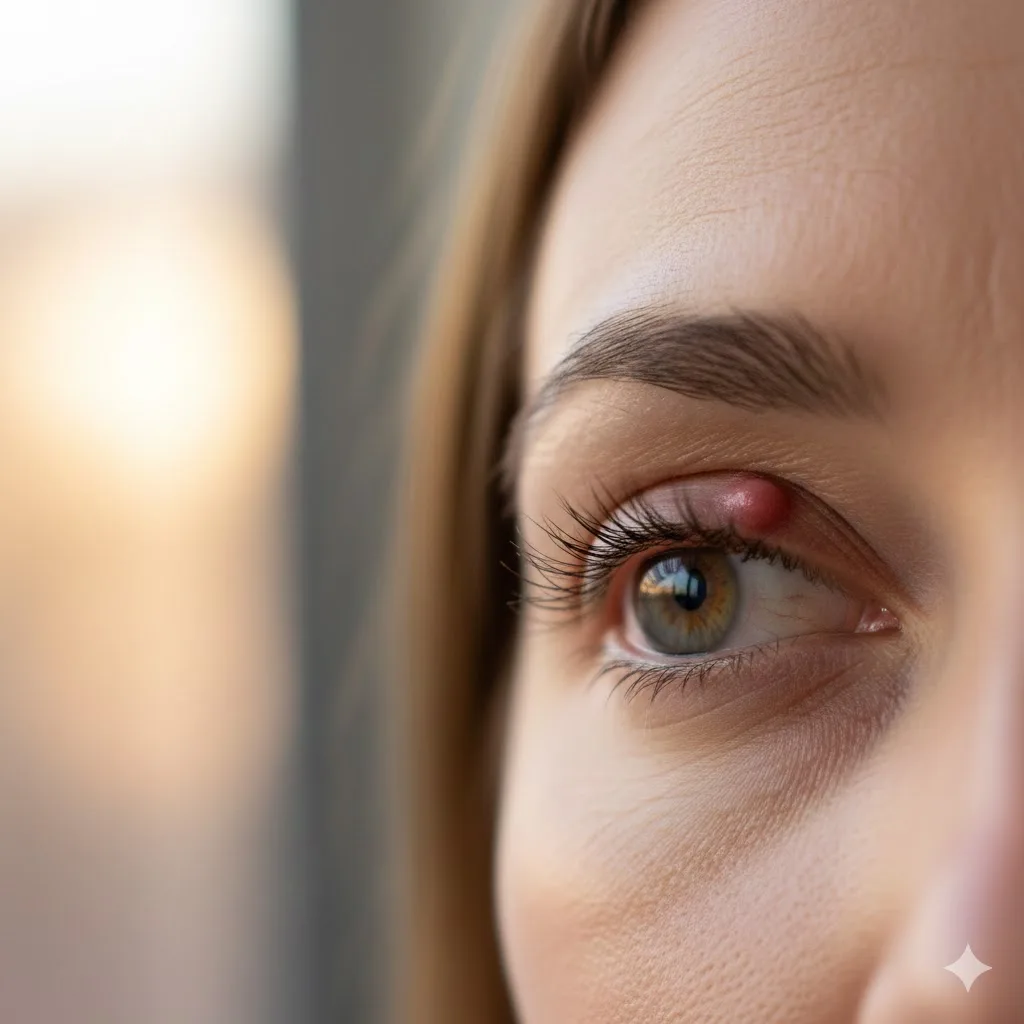
A chalazion is a common eyelid condition that can cause discomfort, swelling, and affect your vision if left untreated. In this comprehensive guide, we will explore what causes, symptoms, treatment options, and how to prevent future occurrences. Whether you’re experiencing or want to learn more about it for educational purposes, this article is your go-to resource.
What is a Chalazion?
It is a small, usually painless lump or swelling that appears on the eyelid due to a blocked oil gland. Unlike a stye, which is caused by an infection, results from inflammation of the meibomian glands — small oil glands located in the upper and lower eyelids.
Over time, if the oil produced by these glands becomes too thick or gets trapped, it can form a lump known as a chalazion. Although it is not usually painful, it can become red, swollen, and occasionally tender if not properly managed.
Symptoms of Chalazion
Recognizing the symptoms early can help you take timely action. Common symptoms include:
- A localized, round lump on the upper or lower eyelid
- Mild tenderness or pressure in the area
- Redness and swelling around the lump
- Blurry vision if it presses against the eyeball
- Excessive tearing in some cases
Unlike a stye, a chalazion tends to develop slowly and may grow over several days. It is also typically located farther from the lash line.
Causes of Chalazion
Understanding the causes of chalazion is key to preventing its recurrence. It forms when the oil glands in your eyelid become blocked due to:
- Poor eyelid hygiene
- Skin conditions like rosacea or seborrheic dermatitis
- Chronic blepharitis (inflammation of the eyelids)
- Hormonal imbalances affecting oil production
- Previous history
People with oily skin or frequent eye irritation are more prone to developing chalazia.
Risk Factors for Chalazion
Several factors increase the likelihood of developing
- A history of styes or chalazia
- Rosacea or acne
- Diabetes
- Inflammatory eye conditions
- Wearing contact lenses without proper hygiene
If you fall into one or more of these categories, it’s important to take extra care of your eyelid hygiene to prevent from forming.
Diagnosis of Chalazion
A doctor, typically an ophthalmologist, can diagnose during a physical examination of the eyelid. They may inspect the lump to determine if it’s a chalazion, a stye, or another type of cyst or tumor.
No specific tests are required to diagnose , but if the lump does not respond to treatment or continues to grow, further evaluation may be necessary.
Treatment Options for Chalazion
The treatment depends on its size, duration, and severity. Here are common methods:
1. Warm Compresses
Applying a warm compress to the eyelid for 10–15 minutes, 3–4 times a day, helps soften the blockage and promote drainage. This is the most recommended first-line treatment
2. Eyelid Massage
Gently massaging the eyelid after applying a warm compress may help encourage to drain naturally.
3. Over-the-Counter Medication
Artificial tears and lubricating eye drops may relieve irritation caused .
4. Prescription Treatment
If the it becomes infected or doesn’t improve with home remedies, a doctor may prescribe antibiotic or steroid eye drops.
5. Surgical Removal
In persistent cases, especially if it interferes with vision or causes cosmetic concerns, a minor surgical procedure may be performed to drain or remove it.
Can a Chalazion Go Away on Its Own?
Yes, many resolve on their own within a few weeks with basic home care like warm compresses. However, if lasts more than a month or becomes painful, medical intervention may be required.
How to Prevent a Chalazion
Prevention is key in managing recurrent cases. To reduce your risk, follow these preventive tips:
- Practice good eyelid hygiene (clean eyelids daily with mild soap or baby shampoo)
- Avoid rubbing your eyes with dirty hands
- Remove makeup thoroughly before bed
- Use clean towels and pillowcases regularly
- Manage skin conditions like rosacea or seborrheic dermatitis
- Follow doctor’s instructions if you’ve had in the past
Difference Between Chalazion and Stye
| Feature | Chalazion | Stye |
|---|---|---|
| Cause | Blocked oil gland | Bacterial infection |
| Pain | Usually painless | Often painful |
| Location | Away from lash line | Near lash line |
| Duration | Develops slowly | Appears suddenly |
| Treatment | Warm compress, surgery | Antibiotics, drainage |
Understanding these differences helps in choosing the correct treatment.
When to See a Doctor for Chalazion
Seek medical attention if:
- Does not improve within a few weeks
- It grows rapidly or bleeds
- Your vision is affected
- It recurs frequently
- The area becomes very painful or red
Early treatment can prevent complications and speed up recovery.
Conclusion: Managing Chalazion Effectively
A chalazion is a common but manageable eyelid condition. With early recognition and proper care, you can treat a chalazion at home in many cases. However, persistent or painful chalazia may require medical attention. Practicing good eyelid hygiene and managing underlying conditions can help prevent future issues.
If you are experiencing a chalazion, don’t panic — with the right care, you’ll be back to normal soon.