
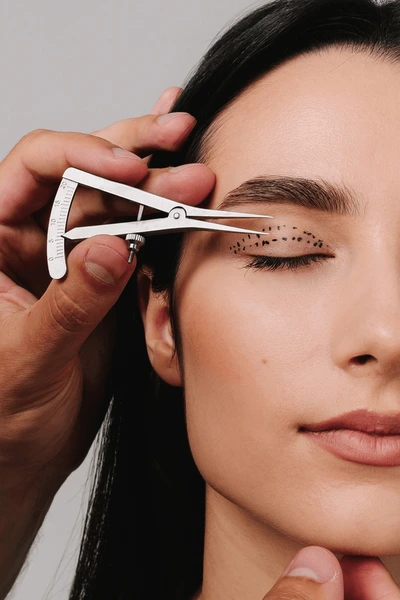
Blepharoplasty, also known as eyelid surgery, is a cosmetic procedure performed to correct sagging eyelids, excess skin, puffiness, or under-eye bags that appear with age or due to genetic factors. Since the eyes are one of the most noticeable features of the face, even small changes around the eyelids can significantly affect a person’s overall expression. Loose skin, fat deposits, and drooping eyelids often make individuals look tired, sad, or older than they actually are.
Eyelid surgery can therefore provide both aesthetic improvements and, in some cases, functional benefits by widening the visual field when excess skin interferes with vision.
Why Do Eyelids Change Over Time?
The aging process leads to a natural loss of skin elasticity, weakening of supporting muscles, and the forward movement of fat pads around the eyes. In addition to age, lifestyle factors such as smoking, excessive sun exposure, irregular sleep, and stress can accelerate these changes. Genetic predisposition is also an important contributor—some people may develop eyelid sagging and under-eye bags much earlier than others.
As a result, blepharoplasty is one of the most commonly requested procedures in facial aesthetics.
Blepharoplasty
Upper eyelid surgery is typically performed when excess skin or muscle tissue accumulates above the eyes. This can not only create an aged or tired look but also physically obstruct peripheral vision in severe cases.
During the procedure, incisions are made along the natural crease of the eyelid, allowing the surgeon to remove excess tissue while keeping scars hidden within the eyelid’s natural fold. The operation usually takes 30–45 minutes under local anesthesia.
Lower Eyelid Surgery
Lower blepharoplasty addresses puffiness and bags beneath the eyes. These under-eye bags occur when fat protrudes through weakened supporting structures. The surgeon can either remove or reposition fat deposits, tighten muscles, and eliminate redundant skin to restore a smoother contour under the eyes.
This surgery typically takes longer—about 45–60 minutes—and can be performed with different techniques depending on the patient’s needs.
Preparing for Eyelid Surgery
Before undergoing blepharoplasty, patients have a detailed consultation to assess their medical history and overall health. Key steps in preparation include:
- Reviewing chronic illnesses, medications, and allergies.
- Discontinuing blood-thinning drugs like aspirin at least a week before surgery.
- Avoiding smoking, which delays healing.
- Taking pre-operative photographs to guide the surgical plan.
Patients are also advised to have realistic expectations and to understand both the benefits and limitations of the procedure.
The Surgical Procedure: Step by Step
Blepharoplasty can be performed under local anesthesia with sedation or, in some cases, general anesthesia. The surgical steps usually include:
- Marking natural eyelid creases to determine incision lines.
- Making small incisions in the upper eyelid crease or just below the lower lash line.
- Removing or reshaping excess skin, muscle, and fat.
- Closing incisions with fine sutures for minimal scarring.
The procedure generally lasts one to two hours, depending on whether both upper and lower eyelids are being treated.
Recovery After Blepharoplasty
Mild swelling, bruising, and tightness around the eyes are normal in the first few days. Cold compresses and prescribed medications help manage these symptoms. Stitches are usually removed after 5–7 days, and most patients return to work within a week.
Final results become more apparent within 1–2 months, once residual swelling subsides. Patients are advised to avoid heavy exercise, sun exposure, and contact lenses during the initial healing phase.
Who Is a Good Candidate?
Blepharoplasty may be recommended for individuals who experience:
- Drooping upper eyelids that interfere with vision.
- Puffy or baggy lower eyelids.
- A tired, aged, or sad appearance despite adequate rest.
- No major health problems that could delay healing.
Candidates are usually over the age of 30, although younger patients with genetic eyelid problems may also benefit.
How Long Do the Results Last?
Blepharoplasty offers long-lasting results. In most cases, improvements remain visible for 8–10 years, and in some patients, the procedure never needs to be repeated. However, since the natural aging process continues, new changes in eyelid skin may appear over time.
Combining Eyelid Surgery with Other Procedures
For a more harmonious facial rejuvenation, blepharoplasty can be combined with:
- Brow lift
- Forehead lift
- Botulinum toxin (Botox) treatments
- Dermal fillers
- Laser skin resurfacing
These combined treatments enhance results, providing a more refreshed and youthful appearance.
Frequently Asked Questions
1. Will there be visible scars?
No. Incisions are hidden in natural eyelid folds and typically become almost invisible over time.
2. Is eyelid surgery painful?
Most patients report minimal discomfort, easily managed with medication.
3. When will I see results?
Noticeable improvements appear within the first week, but the final outcome is best assessed after a few months.
4. Is the surgery permanent?
The results are long-lasting, but natural aging continues. Most patients enjoy their results for many years.
1 thought on “Blepharoplasty (Eyelid Surgery): Restoring a Youthful and Refreshed Look”